Showing posts with label apply for credit cards. Show all posts

Credit Card Vs. Debit Card - What Are The Main Differences?

Thursday, July 30, 2009

credit card
What is a Debit Card?The card you use at the ATM is known as a debit card. When debit cards first appeared it was easy to tell them apart from credit cards. Debit cards didn’t have a credit card company logo on them; instead, they usually just had your bank name, your account number and your name.
Today debit cards look exactly like credit cards even carrying the same logos. Both types of cards can be swiped at the checkout counter , used to make purchases on the internet, or to pay for the fill-up at the gas pump. When you use your debit card to make a purchase, it’s just like using cash. The account that is attached to your debit card, in most cases your checking account, is automatically debited when you use your debit card. The cost of your purchase is deducted from the funds you have in that account. In the case of a credit card, you can pay just 5% of your bill amount and carry forward the balance to be paid the next time. You do not have to settle all in one go. This is referred to as revolving credit.
What is a Credit Card?On the other hand, when you use your credit card to make a purchase you are using someone’s else’s money, specifically the issuer of the credit card, usually a banking institution.
In effect, you agree to pay them back the money you borrowed to make your purchase. In addition you will also pay interest on the money “loaned” to you at the rate which you agreed to when you applied for their credit card. This is known as the annual percentage rate (APR). While the two cards might act and look alike, the levels of consumer protection that each type of card provides can be different.
Credit Cards offer Better Protection!Under federal law, if someone steals your credit card you're only responsible to pay the first $50 of unauthorized charges. However, if you notify the credit card issuer before a thief is able to make any charges you may be free from all liability. If the credit card is not physically present when an unauthorized or fraudulent purchase is made, such as over the internet, you’re also free from liability for those charges.
MasterCard and Visa offer zero-liability protection where you won’t pay any charges if someone uses your credit card to make an unauthorized purchase.The protection offered to debit card fraud is similar but with a few exceptions. For example, your liability under federal law is limited to $50, the same as for a credit card, but only if you notify the issuer within two business days of discovering the card's loss or theft. Your liability for debit card fraud can jump up to $500 if you don’t report the loss or theft within two business days. And if you are the type of person that gives a passing glance to your monthly bank statement, you could be totally liable for any fraudulent debit card charges if you wait 60 days or more from the time your statement is mailed. Visa and MasterCard zero-liability protection applies to your debit card but only for transactions that do not involve the use of your PIN (personal identification number).
Additional protection against fraudulent use of your credit or debit cards may be available through your homeowner’s or renter’s insurance. Check your policy or with your agent for more information about your coverage.
Also be aware that you should contact your card issuer by certified letter, return receipt requested, after you’ve contacted them by phone to protect your consumer rights.
As for which card to use for what type of purchase, most experts agree that you should use your debit card for the same type of purchases you’d make as if you were using cash. Therefore, it makes more sense to use your debit card than your credit card at the grocery store or gas station (provided you have sufficient funds to cover these purchases of course).
Credit Card Purchase DisputesYou should avoid using your debit card for any online purchase or for something which is expensive. Why? The main reason is that it is much easier to dispute a charge when you use your credit card. Your credit card company will remove the charge until the problem is resolved.
With your debit card you are stuck dealing with the merchant directly to resolve any problems with a purchase. The merchant establishment will have a debit terminal. When you give your card to make the payment, the card will be swiped. The moment it is done, an electronic message is sent to the bank which checks to see if the customer has that much money in his/her account. A credit card requires the bank to make a payment to the merchant establishment (online shop, hotel or wherever you spend money using your card). The cardholder has to settle the bill later.
Read More..

All About Choosing the Best Credit Card

Thursday, July 16, 2009

credit card
Credit card holder, 25 years old and working in United States for past one year was on the verge of going bald from trying to figure out the best credit card among the tons of emails that he received almost daily about the "pre approved credit cards". Chances are that you too maybe going through the same dilemma of choosing the right credit card. As choosing the right credit card is not such an easy task as it looks at the first go, it becomes essential that you know some of the important points before you eventually purchase the best credit card for yourself.
Most of the credit cards, which call themselves as the best credit cards, come with almost the same features, offering more or less the same rate of interest. In such a case, getting the best credit card becomes even more of an ordeal for the buyer. However when the rate of interest is more or less the same, one should look for incentives offered by the various card companies in order to get the best credit card. Incentives and rewards can be of various kinds; depending on them you can opt for the best credit card. For instance you get reward points for every purchase that you make from the credit card and these points are redeemable from certain stores and outlets.
There are three main categories of cards: secured, regular and reward or rebate. Where you fall on the scale depends upon your credit history. If you’re in the process of trying to rebuild your credit, a secured card can help you achieve that. The other categories are differentiated by the types of services they afford. While reward cards generally have great perks, the higher interest rates that they normally charge can be costly if you do not pay your balance in full every month.
Then there are cash back incentives. This definitely is a strong criterion for the best credit card. According to this scheme, you get a percentage of cash back at every purchase that you make. You can also convert your redeemable points into discount for various airline flights. Most of the buyers make the mistake of thinking that the reward schemes are mostly similar whereas the difference in schemes offered by different card companies is extensive. So first of all do your research about different reward schemes and then choose the best credit card.
Nowadays banks have started offering balance transfer credit cards, which are becoming increasingly popular for people deciding on the best credit card for them. Balance transfer cards allow you to consolidate you debt onto one card, thus helping you save on interest payment, hence recommended by experts as the best credit card for debtors.
Getting the best credit card wouldn’t be a difficult task when loaded with the right information. So research about the incentives and other schemes and then only go for choosing the right credit card. It might take a little time but at least you can be sure that it’s the best credit card.
Read More..

Are Online Credit Card Applications Too Easy?

Wednesday, July 1, 2009

credit cardThe days when the only way to get a credit card was to visit your bank in person are gone forever. Nowadays, it's even quite old fashioned to apply for a card by mail - it's much easier and quicker to apply online, and in many cases you'll even get an instant decision on whether your application is accepted or not. While this is obviously a great convenience, there is a downside to online credit card applications: they can actually be too easy, and can harm your credit rating.
When you're offered the chance to apply for a credit card online, it's not always clear exactly what kind of customer a card issuer is hoping to attract. Each kind of card is aimed at someone within a range of circumstances, such as having a minimum income, being older than a certain age, or having a certain level of credit score.
In the old days, your bank manager or financial advisor would only offer you cards which you had a good chance of being accepted for, but when you're applying online there's no one but yourself to check if the card is right for you. And, seeing as how applying online is so easy, it can be tempting to just apply anyway and see if you're approved. This can be a great mistake.
Every time you're rejected for a card or other kind of finance, this fact is recorded on your credit file. If you have a lot of rejections on your file and not many acceptances, this can actually make your credit rating appear worse, making it ever harder to have an application approved. Obviously, this isn't a desirable outcome and so how can you avoid it?
The first step is to have a good hard look at the range of cards available with the features you want, whether it's a 0% balance transfer deal, a low APR or interest rate, or a great rewards program. The large number of credit card comparison sites on the internet make this a lot easier than it used to be.
Once you've got a shortlist of cards to apply for, check the small print of the one you think is the best, and make sure that there isn't anything like a minimum salary which makes it impossible for you to be approved. If everything seems okay, then take an honest look at your financial circumstances and application history, and decide whether you think you've got a reasonable chance of being approved.
Only after that should you actually go forward with your application, and you should only apply for one card at once. If your application is rejected, see if that card company offers a similar card with a higher interest rate - the acceptance criteria is likely to be looser on that card and so it may be worth applying for it.
Alternatively, you could apply for a similar card from a different card issuer. Different companies have different ways of deciding whether to approve an application, so you might have more luck elsewhere. What you absolutely shouldn't do is keep applying for similar cards from the same issuer, as the acceptance criteria will be more or less the same, and you'll just keep getting rejected, with all the problems this causes for your credit rating. At this point, you have little choice but to set your sights a little lower and apply for a less attractive card, even if this means you'll have to pay more for the convenience of carrying a credit card.
Read More..

Bad Credit Credit Cards - Choosing The Right Credit Card

Sunday, June 28, 2009

credit cardIf you have bad credit, your credit card options are limited. Aside from many credit card companies denying your application, individuals with bad credit usually receive very low credit limits and additional fees.
When applying for a credit card, choosing the right card is essential. Here are a few tips to consider when selecting a credit card.
Take Advantage of Bad Credit Credit Cards
Before applying for a major credit card with a bank, carefully consider your credit rating. Credit card inquiries will decrease your credit score. Thus, avoiding too many inquiries is important. To do so, limit the number of times you apply for credit. Rather, choose one or two companies that are likely to approve your application.
For example, if your credit rating is bad, it's realistic to assume that the odds of getting approved are slim. With this said, it helps to research bad credit credit cards. Several companies issue unsecured and secured credit cards to people with bad credit. This is a great way to improve credit rating and re-establish a good credit history.
Criteria for Choosing a Bad Credit Credit Card
Although bad credit will stand in the way of obtaining low rates on a credit card, researching various companies and comparing offers is smart. Many credit card companies make claims of offering bad credit credit cards to help individuals improve their credit. However, some companies use this as the perfect opportunity to take advantage of people like you.
Before applying for a bad credit credit card, read the fine print for information pertaining to user fees. If choosing a secured card, you likely need to open a savings account and deposit at least $200. This deposit serves as collateral. Because your credit limit is the same as the deposit, if you refuse to pay the credit card, the lender simply claims your money.
In addition to opening a savings account, most secured bad credit credit cards have several upfront or startup fees. This might include a $50 annual fee, $10 monthly service fee, and $20 startup fee. Thus, there is a balance on the credit card before you even receive it.
Unfortunately, extra fees on a bad credit credit card are unavoidable. However, by carefully researching different online credit card companies, it is possible to find a company with lower fees, and one that offers a lower interest rate.
Read More..

Bad Credit? Can't Get a Credit Card?

Wednesday, June 24, 2009

credit cardMost people don't give much thought to the importance of credit until they need it. When they go to apply for a credit card they discover that their bad credit keeps them from getting a card, or a card at a decent rate. Most people want to pay their bills, and remain in good credit standing. Nobody wants to be seen as a deadbeat to the credit card companies, but because of a couple of tight financial situations in the past they cannot get approval for a credit card. There is a way around this problem.
There are a few companies out there that understand your situation, and want to help you to obtain a better credit rating. These companies offer secured credit cards. A secured credit card is a card that you make a deposit to which determines your credit limit. You can use your card just like any credit card, but your purchases are limited to your deposited amount, (similar to a debit card). Before applying for a secured credit card you must make sure that the card reports to the major credit reporting agencies. If they do not report then that card is nothing better than a glorified debit card. In extremely simplified terms when a secured card sends reports to the major credit reporting agencies they are showing that you are paying off your debits, and you are less of a credit risk.
Here's a brief example of how these cards really work. On the surface it works just like a debit card. Let's say you made a $200 deposit to your secured credit card. You then go to the store and make a $20 purchase. Your account balance is almost immediately reduced by $20 to $180. The key to these cards is when the credit card company goes to report your information to the major credit reporting agencies, (the better secured card companies will report monthly). In simplified terms, the credit card company will tell the reporting agency that you made a $20 purchase on your credit card, and it was paid. As far as the reporting agency is concerned you are making good on your charges. This is a sign of a good borrower. Even if you have had problems with credit in the past the reporting agency is seeing that you are now less of a default risk thus bumping up your credit score. After time you become more appealing to other credit card companies and you will more readily be accepted for traditional credit cards.
Improving your credit is not a quick and easy task. There are many other things that factor into your credit score, but this is one action that you can take on your own. A secured credit card may not fix severely damaged credit, but for many people it's a step in the right direction. It will not make your credit score sky rocket into the upper 700's either. It will take some time, but it's better than sitting back, passively hoping that things will get better.
Read More..

Applying for Instant Approval Credit Cards Online

Wednesday, June 17, 2009

credit cardInstant approval credit cards are convenient ways in which to get you some instant credit. Apply for an instant approval credit card online and you can find out, within a few minutes if you are eligible for one or not. So an instant approval credit card is fast, its simple, and really a boon if you want some instant credit extensions. The key for getting an approval lies in making your application correctly and wisely. Here are tips that will help you get an instant approval credit card online.
Find the Right Instant Approval Credit Card
You will be spoilt for choice when you go shopping for an instant approval credit card online. It is easy to advice you to research each one of them thoroughly, but you need to know the precise factors to consider during your research. In order to give you immediate credit, the credit card company will take its pound of flesh with the following – annual fees, interest rates, and other miscellaneous fees. A simple Google search will show you a quick comparison of the best rates of interest, annual fees, etc in your local area. If you have good credit, negotiate for a lesser interest rate or for zero annual fees. If you have a less than perfect credit history, find cards that offer a lower interest, less annual fees, etc
Secured Instant Approval Credit Cards
However, in case your credit history is really bad, find an instant approval credit card which offers a secured advance. You need to pay cash upfront in order to get credit. Ensure that the card reports this to the credit bureaus so that it helps you build a better credit history. Clear this point even before you apply for the card or you will have wasted your cash and your time.
Online Formalities for Instant Approval Credit Cards
You will see the online form you are required to fill out is pretty much the same as a regular credit card application form. Generally, the higher your household income, the better your chances of getting an approval. Avoid lying, as this information is useful for avoiding bankruptcy. If you inflate your household expenses, then the credit company will offer a higher credit limit. Anyone will be tempted to use up that credit limit. And if your income does not allow you to pay back your debts, you will find yourself falling quickly into the debt quicksand.
Applications for a secured instant approval credit card does not requires such details - as long as you have the money and the facility to transfer the amount from your bank account, you will be able to get yourself an secured instant approval credit card. Just ensure the site is secure – you can see a small lock appearing on the bottom right side of your browser window. This prevents hackers from accessing and misusing your credit card details.
Status of Instant Approval Credit Card Online
Generally, you will know the status of your application within a minute or two. If your application has been approved, then you can immediately start spending a limited amount. However, if the company needs to have a closer look at your accounts, they may defer their decision for a few days.
However, an instant approval credit card online is still the fastest way for getting a credit card or at least, some credit extension. Instant approval credit cards have their pros and cons and if you are aware the basic formalities of getting such a card, then there is no reason why your application should be rejected. But remember, an instant approval credit card may give you increased credit and may gratify your needs immediately, but they are double edged swords – ensure that your credit history is not wounded in the process of acquiring too many credit cards.
Read More..

Applying For a 0% Intro Rate Credit Card

Thursday, June 11, 2009

credit cardWhen it comes to credit cards, the reward credit cards are usually much more popular because more often than not, consumers are dazzled by the concept of earning points and winning prizes for themselves just by using their credit cards. But you see, that’s simply considering one side of reward credit cards – and that’s the nice side, by the way. The other side would be the high interest rates that reward type of credit cards charge its users. So you see, you’re not winning those prizes for free – or at least not completely – unless you have the means to pay for your purchases before the cut-off period or before you get charged with interest.
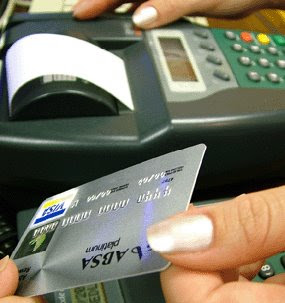
This article, however, shall enlighten consumers about the less popular type of credit card and that would be the non-reward credit card. A non-reward credit card does not allow you to earn air miles or win gift certificates and other cool prizes for yourself just by swiping your credit card as often as you can. Rather, a non-reward credit card lets you purchase everything you want with a lower interest rate compared to reward type of credit cards.
Of all non-reward credit cards being offered in the market, it’s the 0% intro rate credit card that creates the most buzz because of two magic words – zero percent! And that’s right – credit card companies kid you not with their zero percent interest rate offer! But of course, that’s not all there is to it. Though we have nothing against 0% intro rate credit cards, we do suggest that you apply for a 0% intro rate credit card only when it’s the type of credit card that would best suit your needs.
A 0% intro rate credit card would be most suitable to a type of user who can not afford high interest rates like what’s being charged by reward credit cards, that’s for sure. Secondly, a 0% intro rate credit card would also be most suitable to someone who has pressing needs to buy or acquire something but has not enough money to go through with the purchase. Because of their very situation, having a 0% intro rate credit card would be of most help since even with the required monthly payments, they still wouldn’t pay as much as they would with other types of credit cards.
Of course, all good things must come to an end and a 0% intro rate credit card is unfortunately no way different. As it is only an introduction rate, once the time allotted for it elapses, you shall revert to paying for normal interest rates.
But that’s a long time coming and you don’t have to worry about that yet. What’s important is to be able to buy what you need and applying for a 0% intro rate credit card is the key!
Read More..

Applying An Instant Approval Credit Card Online

Wednesday, June 10, 2009

credit cardInstant approval credit cards are a convenient way to apply for a new card. With these cards, you can usually find out in less than a minute if you are instantly approved for a card. Better yet, applying for an instant approval credit card online is really quite simple.
Finding the Right Card
The first step in applying for an instant approval credit card is deciding which card you want. There are dozens, perhaps hundreds, of instant approval credit cards for you to choose from online. Be sure to thoroughly research them all to find the one that is best for you. Things to look out for include: annual fees, interest rates, and additional fees. If you have good credit, be sure to only apply for an instant approval credit card without associated fees or a high interest rate. If you have a poor credit history, be sure to compare instant approval credit cards met for those with a less-than-perfect credit history and find the one with the least amount of fees and the lowest interest rate.
If your credit is really bad, you might want to consider a secured instant approval credit cards. These cards require you to pay money up front. The money you spend with one of these credit cards is actually your own money that you put on the card. Make sure the card reports to the credit bureaus before wasting your time applying. If the card does not report, then it will not help you rebuild your credit. If you have good credit, you shouldn't even bother with a secured instant approval credit card, unless you are a parent looking to get a card to use with your high school or college student child.
Completing the Form
Instant approval credit card online forms are the same as the forms you would complete for a traditional credit card. You will be expected to give the potential lender your social security number, name, and address. You will also need to supply the potential lender with employment information, such as the name, address, and phone number of your employer. You will also be asked to provide your annual household income. It is up to whether or not you want to include income such as child support or spousal support when reporting income. In general, the higher your household income, the greater your chances of getting approved and of receiving a higher credit limit. Never lie, however, as this information is really needed mostly to protect you from putting yourself at risk of going bankrupt.
If you are applying for a secured instant approval credit card, you might not need to supply quite as much information. Many secured instant approval credit cards, for example, do not require employment information. As long as you have the money to place on the card, the lending company isn't much concerned about verifying your employment. Often, however, you will need to have a bank account in order to electronically transfer funds from you bank account to the secured instant approval credit card.
No matter what type of card you are applying for, be sure you are submitting the information on a secured site. You will know if the site is secured because there will be a small icon of a lock located either in one of the top or bottom corners on your computer screen. A site that is secured prevents hackers from being able to access your personal computer. Any reputable credit card company will have a secured site. If the site is not secure, do not do business with the company.
The Moment of Truth
After you complete the online application form, you will generally find out in less than a minute whether or not you qualify for the instant approval credit card. Don't be disheartened, however, if lending company does not instantly approve your card. Often, this is simply because the company needs to look more closely at your credit history. Generally, this process will only take a couple days. Therefore, an instant approval credit card is still a faster way to get approval for a new credit card than a traditional credit card, which can take up to eight weeks to be approved.
Read More..

Accepting Credit Cards Over the Phone

Friday, June 5, 2009

credit cardThere has been a huge growth in the number of cold calls, and unsolicited offers that people receive on their home and business phones. The process can be very intrusive and frustrating and is the subject of a growing number of complaints. Many of these calls come from phone companies, especially mobile phone providers but they are also for new windows, for insurance and for credit among other things.
If you are offered credit over the phone, it can be quite tempting, especially if you have poor credit or have had difficulty in getting credit in the past. However, there are some risks involved and you should be careful. The primary concern with these types of calls is that at the end of the day, if you are the recipient of the call, you do not know who is calling you. Just because someone says they are from a respectable bank or credit card provider does not necessarily mean they are, and you should accordingly be cautious about what information you give out over the phone. Of course, if you have made the call, or have requested it from a reputable lender, then this will be far less of a concern.
Do not, under any circumstances, be pressured into giving out sensitive information over the phone or accepting credit if you are not comfortable doing so. If you do think you want to accept a phone offer for credit, then give out as little information as possible over the phone. They will probably need your address, but any other information can be sent to them through the post, in an application form. You should become very suspicious of anyone who calls you and starts asking for your payment details, bank account number or any other similar information. If they are a genuine company, then they should be more than happy to send you an application form through the post.
Also, make sure you ask who you are speaking to and which company they represent. Ask them for their website address so that you can look up the company on line. Also, when the application form does arrive by post, read it carefully and satisfy yourself not only that the offer is one you would like to accept, but also that the company is one that you would like to be dealing with. Finally, look at the address carefully and make sure that it all appears above board.
Read More..

Options To Consider When Taking Out A New Credit Card

Saturday, May 23, 2009

credit cardHow many times have you taken out a credit card based purely on its current interest rate or balance transfer option?
You may be surprised to note there are at least 7 elements worthy of consideration when you take out a new credit card. To judge a new credit card on just one or two options could easily result in a bad deal for you. You need to consider the following 7 options when you take out a credit card:
1. The Initial Concessionary Interest Rate And Period
Many credit cards offer a 0% interest rate on purchases for a limited period, usually six to nine months. This option can be very attractive particularly when you do not repay the balance in full each month.
After the initial period the rate reverts to the standard rate, usually in the 10 to 16% range although this can be considerably higher.
Some cards however have no interest free offer but have a much lower permanent rate, from about 6.9% (although it will vary in line with general interest rate charges).
If you are likely to have a long term balance (if you are unable to pay off the debt within the first 6 to 9 months) this option could save you money in the medium to long term. You will not be able to switch to this rate if you have taken the 0% initial rate offer.
2. A Monthly Interest Free Period On New Purchases
This relates to the period between your purchase of an item and when you will be charged interest on that purchase amount. Many cards have a policy of only charging from the payment date after the item appears on your card statement.
The effect of this is to give you between approximately 25 days and 56 days interest free credit on all purchases. Clearing your balance within this period will result in no interest being charged.
Some cards will charge interest immediately from the date of purchase and are therefore not suitable if you clear your balance each month.
3. The Annual Fee
Many cards have now implemented an annual fee. This fee is chargeable whether you clear the debt each month or if you roll over your debt.
4. 0% Balance Transfers
When taking out a new credit card you will normally have the option of transferring any outstanding balance to your new card with no interest charged for a specified period.
Although marketed as a "0% balance transfer" many are not totally free of charge. An increasing number now charge a one off charge of 2-3% of the amount transferred as an "administration chearge" for handling the transfer.
This is legally not an interest charge but it amounts to the same thing - you are charged a fee by your credit card company based on the amount transferred.
The availability of true 0% balance transfers is disappearing and in all likely hood will completely disappear sometime soon. If a 0% balance transfer is important to you take advantage soon, however be aware that many of these cards have higher subsequent interest rates.
5. The Availability Of Cashback
Many cards now offer cashback on purchases. This is usually is between 1/2 and 1% of new purchases (excluding balance transfers and cash withdrawal). If you do not repay your account in full each month take this into account when considering the interest rate chargeable.
It is only where you repay the card in full each month that this is a true cashback on purchases and if you do repay in full each month you may choose to make this a priority.
6. The Rewards And Discounts Offered With Your Credit Card
Rewards are where you can purchase goods or services at a discount by using your credit card, or you have free insurance on purchases made using your credit card.
In the credit card business nothing is free. If there are rewards offered the cost will be built in somewhere (usually a higher interest charge) so compare with other cards not offering the same rewards.
7. Credit Card Payment Insurance
Whether you take this option or not most cards now offer some sort of payment protection insurance in the event of sickness and disability. In the past this cover was limited to paying the minimum monthly payment however many cards now pay 10% of the balance on the card at the time your claim commences and may be worth considering.
Be very careful with this insurance as it will exclude any condition you suffer from when the cover commences and similarly any redundancy announced before the cover commences.
Taking out a new credit card is more complex than it seems at first. As you can see when considering a new credit card there are a number of aspects which must be taken into account and t can be very difficult choosing a new card.
There are many comparison services available that can help you cut through the confusion and I suggest you consult one or more before making your decision.
In all cases prioritise your requirements and only apply for the credit card which best matches your circumstances. Don't just pick the card with the longest balance transfer period or lowest interest rate as it may cost more in the longer term.
Read More..

FAQs When You Apply for a Credit Card

Friday, May 22, 2009

credit cardThere are so many credit cards out there to choose from that deciding which one to get can feel really daunting. What makes one offer better than the hundreds of others you’ve seen? Here are top 7 FAQs to finding the right credit card:
1. Are You a Student?
If you are, then you’ll be better off with a student card. Your application is likely to get accepted without problems. It would be best to contact the bank where you have your student account before you do anything else.
2. Are You Transferring a balance from another credit card?
If you are, then you need to be looking for a card with a low APR on balance transfers. APR is the acronym for Annual Percentage Rate. APR is the cost of credit, expressed as a yearly interest rate. However, do be careful of credit card offers that promise 0% introductory rates for say 6 to 9 months. There may be a catch somewhere!
3. Do You intend to Make New and Large Purchases?
If so, then pay more attention to the APR for purchases, which is usually entirely different to the one for balance transfers. You should also look at what kind of grace period different cards offer, so you don’t end up paying interest on your purchases straight away.
Also called a "grace period," a free period lets you avoid finance charges for a specified time before you are required to start paying your balance. Without a free period, the card issuer may impose a finance charge from the date you use your card or from the date each transaction is posted to your account. If your card includes a free period, the issuer mails your bill at least 14 days before the due date so you'll have enough time to pay.
4. Do You Pay Off Your Balance In Full Every Month?
If you have a lot of money or you only keep a credit card for emergencies, then you might just pay it all off each time you get the bill. If you do, then you’re in a position where you obviously don’t need to worry about the interest rate much at all, since you won’t be paying any interest (make sure there’s a grace period, though).
5. Do You Need to consider Other fees?
Many issuers charge annual membership or participation fees. Some issuers charge a fee if you use the card to get a cash advance, make a late payment, or exceed your credit limit. Some charge a monthly fee whether or not you use the card.
6. Need Good Customer Service Support by the Issuing Bank?
This can be an important factor especially in situations of lost card or a charge that you wish to dispute. You want customer service support that is friendly and helpful. Choose a reputable bank that has excellent call center help.
7. Which Reward Program is suitable?You may wish to consider the card that offers you the best reward programs or frequent flyer points for your needs.
In conclusion, there will be plenty of offers of credit card deals and "pre-approved" credit card application forms in your mail. However, do take the time to shop around for the right credit card for yourself.
Read More..

Things You Should Know Before Submitting Instant Approval Card Applications

Tuesday, May 19, 2009

credit cardAt the rate how mailboxes are bombarded with credit card offers, it’s probably amazing for anyone not to have considered these cards at least once. Nonetheless, credit card companies now make it even easier for consumers to apply for a credit card through instant approval card applications. There are a few things you should know before actually making a card application online or through the phone.
1. You need a good credit history
In order for quick approval, it is essential for a potential user to possess a good credit history. This means that the user pays his bills on time and does not have any financial hiccups in his credit report. The credit report is obtainable from a credit bureau, which will be contacted by the card company at the time of the application. If all goes well, the credit card will be approved within minutes.
2. Interest rates corresponds with the health of your credit reportIf your credit history is not something you are proud of, there is a slight possibility that your application will not be instantly approved. You don’t have to worry if this occurs though, as these companies may make allowances for you due to high competition in the credit business. Most of the time, they will just charge you higher interest rates as you are of a greater risk. Also, due to the extra qualification process, the arrival of your card may be delayed.
3. You need to wait a few days for the card to arriveA common misconception with these cards is that the applicant will instantaneously receive the card upon approval. No matter how fast your Internet connection is, the card is delivered in an envelope, not in bytes. Thus, it is not a very good idea to have an urgent transaction depend on these card applications.
4. You need to do your research Do not let the convenience of getting a quickly approved credit card cloud your judgement on your selection of a credit card. It is not worth making higher payments in exchange for a shorter wait for a credit card.
5. You need to find a secure connection to submit your personal information.As with all forms of online transactions, you should never use a public computer to submit your personal information. With the recent spat of identity thefts, it is wiser to be safe than sorry, especially when it comes to credit cards.
Read More..

Common Credit Score Myths

Monday, May 11, 2009

credit cardYour credit score is an integral part of your financial life. It is important that you understand what it's all about. Lenders, landlords, insurers, utility companies and even employers look at your credit score. It is derived from what's in your credit reports, and it ranges between 300 and 850.
Yet, according to a survey that was recently conducted, nearly half of all Americans don't know how these scores are derived or even what factors are used to come up with them.
For example, if your credit score is 580 you are probably going to pay nearly three percentage points more in mortgage interest than someone who had a score of 720.
Or another way of looking at it, if you had a $150,000 30- year fixed-rate mortgage and your credit score was good enough to qualify for the best rate, your monthly payments would be about $890. This is according to Fair Isaac, the company that created the FICO score and who the rate is named afte (Fair Isaac COrporation). If your credit is poor, however, it is very likely that you would have to pay more than $1,200 a month for that same loan.
With so much depending on the credit score, it’s important to understand what it is all about and what are the things that affect it.
Unfortunately, people commonly have a lot of misinformation and misunderstandings about their credit score. Here are five of the most common credit score myths and along with it the true facts:
MYTH #1: The major bureaus use different formulas for calculating your credit score.
FACT: The three major credit bureaus - Equifax, TransUnion and Experian -- give the score a different name. Equifax calls their score the "Beacon" credit score, Transunion calls it "Empirica" and Experian gives it the name "Experian/Fair Isaac Risk Model." They all use different names for the credit score, but they all use the same formula to come up with it.
The reason that the credit score you receive from each bureau is different is because the information in your file that they base the score on is different. For example,the records that one bureau is using may go back a longer period of time, or a previous lender may have shared its information with only one of the bureaus and not the other two.
Usually the scores are not too far from each other. Unless there is a big difference between what each bureau says is your credit score, many lenders will just use the one in the middle for the purpose of analyzing your application. So, for this reason alone it is a good idea to correct any errors that exist in each of the three major credit bureaus.
MYTH #2: Paying off your debts is all you need to do to immediately repair your credit score.
FACT: Your credit score is mostly determined by your past performance more than your current amount of debt. It will definitely be very helpful to pay off your credit cards and settle any outstanding loans, but if yours is a history of late or missed payments, it won’t remove the damage overnight. It takes time to repair your credit score.
So definitely pay down your debts. But it is equally important to consistently get in the habit of paying your bills on time.
MYTH #3: Closing old accounts will boost my credit score.
FACT: This is a common misconception. It's not closing accounts that affects your credit score, it's opening them. Closing accounts can never help your credit score, and may actually hurt it. Yes, having too many open accounts does hurt your score. But once the accounts have been opened,the damage has already been done. Shutting the account doesn’t repair it and it may actually make things worse.
The credit score is affected by the difference between the credit that is available and the credit that is being used. Shutting down accounts reduces the amount of total credit available and when compared with how much credit you can use your actual credit balances are made to seem larger. This hurts your credit score.
The credit score also looks at the length of your credit history. Shutting older accounts removes old history and can make your credit history look younger than it actually is. This also can hurt your score.
You generally shouldn't close accounts unless a lender specifically asks you to do so as a condition for them giving you a loan. Instead,the best thing you can do is just pay down your existing credit card debt. That's something that definitely would improve your credit score.
MYTH #4: Shopping around for a loan will hurt my credit score.
FACT: When a lender makes an inquiry about your credit, your score could drop up to five points. Some borrowers think that if they shop around by going to a number of different lenders that each time a lender does an inquiry it will generate another reduction in the credit score. This isn’t true. For credit score purposes, multiple inquiries for a loan are treated as a single inquiry, as long as they all come within a 45 day period. So it is best to do your rate shopping within this 45 day window.
MYTH #5: Companies can fix my credit score for a fee.
FACT: If the credit bureaus have accurate information, there’s nothing that can be done to quickly improve your score if in fact you have a history of not handling your debts well. The only way to have an effect on your credit score is to show that you can manage your debts in the future.
Also,if there are errors in your file, you can contact the bureau yourself. You don’t need to pay someone else to do it. Each of the major credit bureaus has a website which clearly explains what you need to do to correct an error.
So, the best ways to improve your credit score are: pay down the debt,pay your bills on time, correct existing errors on your credit reports in each of the three bureaus and apply for credit infrequently.
Read More..

Steps to Creating Good Credit

Saturday, May 9, 2009

credit cardAs a consumer you’ve learned the importance ofestablishing a good credit rating with your lenders. Whether you are shopping for a new home or auto, or searching for the best deals on insurance, your credit worthiness will be judged by your credit rating or credit score.
A bad credit history or bad credit habits will place “black marks” on your credit profile. These include things such as late payments, having an account assigned to a collection agency, and of course bankruptcy.
Establishing good credit habits and therefore a good credit rating will improve your credit worthiness. This will be reflected in potential lenders offering you substantially lower interest rates and better deals on credit offers.
Here are 4 tips to help you create a shining credit profile:
1) Pay Your Bills On Time
Lenders only have your past payment history on which to decide the type of credit risk you present to them. How you pay off your debts now indicates to them how you will pay off future debts.
2) Don’t Use Too Many or Too Few Credit Cards
How much is too much ? How little is too little ? Many credit experts and financial planners suggest two to four credit cards is just the right mix.
3) Pay At Least The Minimum Due
Always pay at least the minimum due payment, but never less. And remember, just paying the minimum payment means it will take you years and years to pay off that credit card.
Example: Paying off a $2,000 credit payment at 18% APR with a minimum monthly payment of 2% ($40 dollars or less) will take you 30 years to pay off the amount plus interest.
4) Review Your Credit Report Regularly
Monitor your credit report from all three major credit bureaus - Experian, TransUnion, and Equifax - on a regular basis. Check your credit profile at least annually. Review it carefully and make sure that any past mistakes or disputes have been corrected.
Also, if you notice an account listed that you know that you have not personally opened, contact that creditor and the credit bureaus immediately. This could be a sign that you’ve had your identity stolen. Request to have a fraud alert placed on your profile and account to protect yourself and your credit. Identity theft is the fastest growing consumer crime in America, with an estimated 1 million people victimized each year.
Establish good credit habits early in life and reap the benefits that your good credit rating will provide you for the rest of your financial future.
Read More..

Features to Look for in an Airline Credit Card

Thursday, May 7, 2009

credit cardAirline credit cards have steadily been gaining popularity in the past few years. Airlines and other companies related to the travel industry benefit as customers utilize their services more frequently; brand loyalty is strengthened as well. Consumers with a good credit history gain by obtaining greater value from their credit cards. Fundamentally, airline credit cards operate in a similar manner; purchases charged to the credit card earn travel points for the card holder, these points can be redeemed in various ways, for example contributing toward free travel, hotel stays, service at a car wash, etc. Four key features to consider while selecting an airline credit card are given below.
Low Interest Rate: The cost of credit is measured in terms of the annual percentage rate (APR). A good credit profile helps to obtain a low APR, i.e. prime + 4%. Most credit cards offer a “variable rate” plan in which the APR changes with certain economic indicators. The interest rates vary with the cards and are influenced by other offerings such as the grace period, annual fee, bonus points, etc. A card holder who does not carry a monthly balance need not really worry about interest rates; however, people who do carry their balances forward can select from a number of airline credit cards that charge a low interest rate. Some cards offer an introductory rate of 0% interest on balance transfers over a period of time, which is typically 12 months.
Preset spending limit: The spending limit in airline credit cards can vary from a few hundred dollars to thousands of dollars. The minimum monthly payment is liable to increase with higher spending limits. Some cards allow users to spend over the credit limit, the amount over the limit and the resulting penalty are settled in the subsequent month’s payment. Credit card bills can quickly balloon to unmanageable proportions. Therefore, inveterate spenders are well-advised to carefully consider the preset spending limit before settling on an airline credit card.
Compatibility with other frequent-flyer programs: It is important to check whether an airline credit card offers this feature; portability of miles points is desirable as it allows one the freedom to use the services of more than one airline for redeeming the points. By not being tied down to one airline, users have an increased number of destinations to choose from. Bank-sponsored airline credit cards offer greater compatibility with other frequent-flyer programs as compared to airline-sponsored credit cards that usually focus on a single airline.
Annual fees: There are several airline credit cards that do not charge an annual fee. Non-airline credit cards that allow users to accumulate miles are usually fee-free. The purpose behind fees is to try and defray the costs of the free miles and other freebies. The average annual fee for airline credit cards is around $ 70. Frequent fliers stand to gain more by using cards that charge a fee because with these cards the airline miles benefits are more as compared to cards that are free. Moreover, if the card is used for business-related travel, the annual fee can also be tax deductible.
Read More..

Credit Report Is Car Buyer's New Best Friend

Wednesday, May 6, 2009

credit cardYou've researched the perfect car to buy and the perfect time to buy it. But have you checked your credit report and credit score? A quick review of your credit report online before you visit dealerships can save you both time and money when you are ready to make your deal.
1. Give that credit report a tune-up.
Check your credit report early in the process to avoid embarrassing or costly episodes at the loan desk.
• Get the facts first. Having your 3-in-1 credit report from TransUnion's TrueCredit.com before you shop for a vehicle allows you to compare and review your financial information from each of the three credit bureaus: TransUnion, Equifax and Experian.
• Check the accuracy of your 3-in-1 report. If you find any mistakes, report them immediately.
• Are your credit card balances high? Reducing these or paying off small debts can sometimes boost your credit score and save you money on a loan.
• A few months of prompt bill payments can improve the way lenders view you.
2. Don't overextend yourself.
Brand new sports car vs. used and practical? Before you decide which car is right for you, it's a good idea to see how much you can really afford.
• After all your other bills are paid each month, how much do you have left to put toward a vehicle?
• Do you have a trade-in or down payment? These can help you negotiate a better rate with lenders and can be especially important if you have problem credit.
• Calculate your debt-to-income ratio by dividing all your monthly payments by your gross monthly income. Make sure to add in your expected new car payment. A ratio greater than 30 percent may be a red flag to lenders.
3. Do your financing homework.
Applying for an auto loan doesn't have to be stressful if you arrive prepared. Consider the following:
• Be ready to discuss your income, occupation, home loan and credit history.
• To negotiate the best loan, check the rates banks and credit unions will offer you before visiting a showroom to make your final deal.
With these tips and your credit report from TransUnion's TrueCredit.com in hand, you should be well-equipped to negotiate a better deal on your next car. Now, go get 'em!
Read More..

Ways To Get Approved For A Business Credit Card

Tuesday, May 5, 2009

credit cardIf you run your own business--whether it's a retail store, direct sales, hobby shop or freelance consulting--chances are you've thought about getting a business credit card. It's probably a good idea, since it makes it easy for you to separate your business expenses from your home expenses, a task that helps keep your paperwork organized and simplifies things at tax time. When you're ready to apply for a business card, follow this checklist:
1. Choose a card
Some cards offer special deals, financing or rewards for small business owners. For example, some rebate cards offer you a percentage back on everything you buy at a certain store, like a warehouse store or online store. Other cards offer cash rebates when you spend at supermarkets, gas stations or home improvement stores. If you travel often, a frequent flier or travel rewards card might get you the best and biggest bonuses. Choosing the right reward card--depending on the type of business you operate and the expenses you incur--can mean extra money in your pocket all year long.
2. Gather up paperwork
You'll need basic information about your company's financial situation, including the name of your business, the tax identification number, the business address, the number of years you've been an owner, the number of employees, the nature of the business, the business' average annual income, and the amount in the business' checking account. You'll also need to know the legal entity of your business, such as whether it's a sole proprietorship, a corporation, a partnership, a non-profit, etc.
3. Fill out the application
You can find applications for almost all business credit cards online, although in most cases you can also call and apply over the phone (a good idea if you have any questions). Depending on your credit rating, you may have to provide extra documentation of your business' current financial status, so be prepared to mail or fax information if requested. After you fill out the application, approval can take anywhere from thirty seconds to a month.
To find business credit cards online, do an Internet search or check the websites of major credit card companies.
Read More..

The Credit Report,Discover How To Improve your Credit Rating

Friday, May 1, 2009

credit cardThis 3 credit report article was written to answer many of the most frequently asked questions, I hope you find all of this information helpful.
A 3 credit report can be useful for a variety of reasons. There are three major credit reporting agencies: Experian, Equifax, and TransUnion, and each of them has their own information about your credit, so to get a good credit report, you have to use all 3. Fortunately, you can get a 3 credit report for about $24, and this will tell you all you need to know about your credit rather than wasting time with a so called free online credit report.
Many institutions need to know your 3 credit report before they will approve of you, and so knowing your credit record can give you a heads up on your chances of receiving all kinds of services. For example, a home loan will not be given if you have a bad credit score, and neither will you qualify for low cost life insurance, a credit card with a low apr, or some times even a lease on a house or car. So knowing your 3 credit report can be a short cut to save you time applying to services which you won't receive.
Another thing about knowing your 3 credit report score is that it can show you if someone has been defrauding you or stealing your identity. If, for example, someone has been getting accounts in your name and not telling you or paying them, they will show up on your 3 credit reports as a bad score. This will let you take appropriate legal action to get them removed from your record and to get the guy who did it by calling the cops.
Getting the bad fraud charges off of your 3 credit report score can be a major hassle. Once my mon had serious charges on her 3 credit report because someone was filling for a cellphone using her name from Detroit, and the company would not believe it was not her, even though it was a different residence. To get them to believe it, she had to produce several pieces of identity and mail, as well as her home title to show where she was living. They would not believe that he address was what she said it was until she showed them lots of proof. What a hassle.
There are many ways you can improve your credit score. One of them is to own credit cards and regularly pay off your payments to show that you are reliable and can be trusted with credit. If you regularly pay off your balance, and are on time with gas, phone, electric, and utility bills, this also can help. In the long run, it is worth it for you to keep your credit good, because it means you qualify for better interest rates, bigger lines of credit,equity line of credit,home equity line of credit ,low apr credit card, and all kinds of other financial benefits that you wouldn't have otherwise. Really, it's easy and you've got nothing to lose.
Read More..

Basic Credit Card Safety Tips

Tuesday, April 14, 2009

credit cardUltimately keeping you credit card safe is you responsibility. Indeed, in a worst case scenario, if it can be proven you may have been negligent in keeping your credit card safe, you may find yourself liable for the cost of all transactions made fraudulent on your account should you lose the card. To help you avoid this, here are 5 basic credit card safety tips:
Never have more cards than you need
While it is always advisable that you have more than 1 credit card, in case it gets lost, you should never have more credit cards than you actually need to use. The principal reason why this is the case is because it becomes harder to keep a track of which cards you have and where you have kept them with the more cards you have.
Always keep a photocopy of your cards
How many times have you been asked what you card number is only to find yourself looking for your card to get the number? Now, what happens if you have a card stolen and no credit card statement to-hand? You have a problem! For this reason, it is always best practice to take photocopies of you credit cards to so that always know where to find the number should anything unfortunate happen to your card.
Always keep your receipts separate
Among the most important of the basic credit card safety tips you’ll receive is never to keep your credit cards and credit card purchase receipts in the same place – because likely as not if you have lost your card, or if it is stolen, then you’ll have lost or stolen the receipts as well. Now there is no way for you to vouch which transactions were yours and which where not – or, there is no way to tell which was the last genuine transaction you made.
Moreover, never keep a record of your PIN with your card, this is only asking for trouble!
Never give your account number to someone you don’t know
If you are ever asked to give your credit card details to someone you don’t know, or who as initiated a discussion with you (rather than the other way round) over the phone or via email, you should always refuse. Worst come to the worst, phone the card issuer and ask them if it is okay for you to divulge the information or phone the enquirer back. If the enquirer seems reluctant to accept this, you have to ask yourself why!
Never leave your account details open to public viewing
It may sound rather basic to say you should never let ‘Joe public’ see your credit card account details, but ask yourself this question: “How often have you received a publication subscription form in postcard format?” Now, suppose you complete this with your credit card details filled in. Suddenly half the world has access your credit card number, expiry date and signature!
Although the above may sound like 5 basic credit card safety tips you already know, you would be surprised to see how many people fail to follow one or all of them!
Read More..