Showing posts with label business credit card offers. Show all posts

Credit Cards: Top 7 Mistakes That Card Holders Make

Friday, July 31, 2009

credit card
You need to manage your credit cards wisely. Otherwise, you may end up in financial trouble. Unfortunately, there are many who don’t realise that they may be making huge mistakes with the use of their credit cards. Here are top 7 credit card mistakes that card holders make:
1. Paying Just the Minimum Sum.The minimum sum is just an amount that you must pay back each month to avoid defaulting on the debt. If you pay just the minimum sum, the rest of your outstanding is subject to interest computations. Always pay back more than the minimum sum or make full payments to avoid credit card debt.
2. Making Late Payments.If you don’t set up any kind of automatic debit payment from your bank account, then it can be tempting to just put your credit card bill aside and get to it when you have time. Before you know it, a few weeks have gone by and you’re late. If you leave it to the deadline, you may find that the payment won’t get there quickly enough.
Paying late is a big mistake for an awful lot of reasons. You will almost certainly be charged a late payment fee, and your late payment will go on your credit report. You may also find that you lose any good rate you had or any preferential rates that you may in the future receive.
To avoid late payment, you should always post your payment a long time before the due date (at least a week). If you’ve left it to the last minute, phone up and try to pay that way.
3.Being deceived by Offers from Credit Card Companies.It is never, ever worth getting a higher-interest card simply because it offers some kind of loyalty points, flight miles or whatever. Even if it offers a cash reward, it is unlikely to be more than you would pay in extra interest – after all, why would they give you free money?
4. Collecting Cards.Some think it looks good on them to have a wallet choked full of credit cards. Especially if the wallet is packed with gold and platinum ones. But envy not! These card holders may well in a situation of having to keep track of all the different cards, balances and interest rates.
In fact, you should limit yourself to a maximum of three cards at a time. Any more starts to make you look over-committed in your credit report, and could get you turned down for a bigger loan.
5. Charging More to Earn More Points.The credit card companies are clever in rewarding you with more bonus and loyalty points if you charge more during a promotion period or a holiday season. You may end up with shopping that you don’t need just so as to earn more points. If you can well afford all your purchases, fine! But if not, you may be in for a massive headache when your bill comes!
6. Using Your Credit Limits to the Max.Your limit is a maximum limit; not a minimum one! Whatever you do, don’t get a card and immediately spend your whole limit. This looks very bad. It is better to spend about halfway regularly and pay it back.
7. Not Reading the Terms and Conditions.Finally, as ever, don’t sign anything you haven’t read! I know it can be tough to read all the fine print but if you do not know what you are getting into, then you shouldn’t get the card. Pay special attention to any future increases in rates, and what kind of fees you can be charged.
Read More..

Credit Card Security Advice

Wednesday, July 29, 2009

credit card
Which of the following is the biggest threat to your credit card security?

a) Shopping online with a credit cardb) Shopping in a real store with your credit cardc) Ordering something over the phone with your credit card

The answer may surprise you. It's b - shopping in a real store with a credit card. Despite all the controversy and publicity surrounding internet phishing and identity theft, shopping online is a relatively safe process. Credit card fraudsters are far more likely to get your credit card numbers and ID information by hacking into a bank or credit card company computer than they are to hack into an online store's server.

The truth is that there are some dangers to using credit cards in ANY situation - and there are ways to safeguard your information and security no matter where you shop with your credit card.

When shopping online…

·Only shop reputable sites. If a shopping web site has been around for a while, it's a pretty good bet that they're legitimate. ·Always type the name of a site into your browser address bar rather than clicking on a link in your email. That way you'll be sure that you're going to the company's actual site and not a fake mirror.·Use an online money transfer service rather than your usual credit card. You can fund an account with a service like Paypal via your credit card or bank account - but your information isn't freely available. When you pay via PayPal, the only information that the seller gets about you is your email address.

When shopping in a real store…

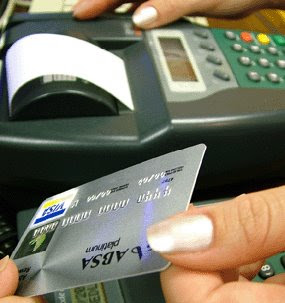
·Keep your eye on your credit card. Stores with the latest tech in credit card scanning won't ever even handle your card - you slide it in the scanner yourself and it never leaves your possession. In stores that aren't that hip yet, keep your eye on what's happening with your card, and ALWAYS take your credit card receipt. Until everyone is using the latest scanners and printers that only print out the last four digits of your credit card, discarded credit card receipts are the easiest way for thieves to get hold of your credit card numbers.

When shopping by phone…

·Never, ever, ever give your credit card numbers to someone who called you. No matter how good a deal sounds, insist on being given the time to confirm the identity and company of the person you're speaking with.

As you can see, for the most part, common sense is all it takes to keep your credit card information safe!
Read More..

Credit Card Company Tricks

Tuesday, July 28, 2009

credit card
Don’t let them fool you. All those solicitations you receive in the mail for credit card applications are meant to reel you in and hook you. Big time. In addition, new bankruptcy laws in the US and higher monthly minimum payment requirements are in place to help stem defaults on loans and to force consumers to pay down debt quicker. All of this sounds great, but credit card companies want to keep you in debt as long as possible. Please read on for all the stimulating details.
If you have had problems in the past paying down debt, do not think for a moment that you will have it any easier in the future. Thanks to legislation introduced by Congress and signed by the president earlier in 2005, filing for bankruptcy to escape debt has become more difficult. Much more so. In addition, credit card companies have raised your monthly minimum payment levels, in some cases doubling the minimum amount you must pay. Consider this last step a side issue related to the new bankruptcy legislation; the credit card companies are not legally obligated to raise minimums but they were pressured into doing so in exchange for passage of the new bankruptcy law.
Do not even think for a moment that credit card companies want you to get out of debt.
For starters, credit card rates have been rising steadily for over two years. As the prime rate goes up, your credit card interest rate goes up. Unless, of course, you have a fixed rate and you have been paying your bills on time. However, one late payment and, uh oh, you are in big trouble.
If you are late making a payment, even just once, you will likely be hit with a one time late fee charge of $29 or $39. In addition, that "sweet rate" you negotiated last year may automatically disappear. Zero percent financing can quickly turn into an 18.9% interest rate in no time and enforced retroactively too. Even “lower rate” cards with annual percentage rates of 10%, 12%, or more, can suddenly reflect rates of 24.9%, 29%, 35%, or even higher!
This is all perfectly legal too!
Read your credit card disclosure agreement – as if anyone even bothers to do so – for all the boring details. Exceptions and rules are the name of the game; there is a trap laying wide open for you to step on.
The next area of socking it to you is an old one: annual fees. Yes, they are back; for years, credit card companies -- in order to remain competitive -- waived annual fees. Originally, it was one small way for them to extract some cash from you: you paid them something every year even if you paid off your card monthly.
If you are like me, the whole concept of charging someone to access credit is absurd. Companies make a mint off of high interest rates as it is; throwing another fee on top of things is both apparent and transparent! Now, annual fees are back. Oh, sure, credit card companies must notify you in writing of these changes before they are put in place, but they certainly hope you won’t cancel your account in response to the "new" fee or that you will forget the notice completely and simply pay the fee. Do they think that we are stupid? I believe so!
There are two other areas where credit card companies attempt to pull a fast one on consumers: your payment due date and payment mailing address.
Your payment due date, which may have been "static" for years, could suddenly have been moved up. This means that if you are used to paying off your Visa card on the 24th of the month, it may suddenly have been moved to the 16th the following month. Without notifying you of the change either!
The address where you send your money may have changed too. Is this a big deal? It certainly is if you mail your payments in. Let’s say that you live in New Jersey and your XYZ Bank card payment goes to a South Hackensack post office. If you mail your payment in five days before the due date, you probably allowed enough time for your payment to get to the bank. Warning: Watch out that their payment address hasn’t suddenly been moved to Ohio. Your next payment will likely end up being late.
Oh, so you pay online? Don’t think that the bank credits your money immediately either. I have seen it take five days for money to electronically leave my checking account and be wired to another bank’s account. The post office moves a live check faster than that!
A moved payment due date and a changed payment address are designed to make your payments late so that the credit card company can charge you a late fee and raise your rates.
This is perfectly legal as well. Is it ethical? Hey, we’re talking about the financial services industry. What else do you expect?
Financial institutions make money off of consumers through interest rates and fee services. Please do not think for a moment that any credit card company has your best interests at heart. They don’t; they are in business to please their shareholders. Get informed and take action when one of these "perfectly legal" practices is pulled on you. You can get fees canceled and have your credit card rate lowered if you complain; back it all up in writing in order to preserve your rights.
A savvy consumer is an informed consumer; learn what tricks credit card companies use and fight back. Annually order free credit reports from Experian, TransUnion, and Equifax to make sure that unfavorable reports from creditors have not been unfairly tagged to your record.
Read More..

How to Make the Most of Your Credit Card Rewards

Monday, July 27, 2009

credit card
Many great credit card companies are now offering their loyal cardholders credit card rewards. This provides the cardholder an opportunity to gain prizes just because they use their card. It is a great incentive for those that may not use their card much. The more credit card rewards they will receive, the more likely they are to use their card more frequently. Credit card companies realize that they profit more when cardholders use their cards more, and so the process is profitable to all involved.
Programs
Each card that offers credit card rewards will have slightly different programs than the rest. Some will offer a cash back reward, which is essentially giving the cardholder a certain percentage of their spending amount back. This is usually done annually or may be done monthly. These cards are great for those who use their cards frequently but don’t have time to deal with points and other credit card rewards other cards may offer. Some credit cards rewards will be offered in the form of sky miles or other flying incentives. These credit card rewards are perfect for the cardholder who travels frequently. If the cardholder is saving up their points for a free flight, they will be much more likely to use their card rather than cash. Other credit card rewards include other miscellaneous prizes. Some cards will allow their cardholders to choose from a selection of prizes.
Making The Most Of Rewards
The best way to make the most of your credit card rewards is by simply taking advantage of them. Credit card companies are amazed at the amount of cardholders who never redeem their rewards. They use their cards frequently and accumulate prizes, however they never take the time to get the prizes. The thing about credit card rewards is that unless you have a cash back program, you have to contact the company to get your prizes. Many cardholders forget about the programs or simply don’t have time to deal with them. If you do have your eyes on a prize, then you can make the most of the credit card rewards programs by using your card frequently. Use your card instead of cash and simply pay off the balance before any interest collects. This way you can get closer to your prize without being out any extra cash.
Credit card rewards are a wonderful way to get excited about using your credit card. Those who usually carry cards filled to their maximum and who only pay the minimum each month may not be as excited about the credit card rewards. Unless you are able to use the card, you will not benefit. So, if your card has reached its maximum balance, work on paying it down to start benefiting from the credit cards rewards programs.
Read More..

Credit Card Comparisons Guide

Saturday, July 25, 2009

credit card
Shopping around for a credit card can save you money on interest and fees. You’ll want to find one with features that match your needs. This information can help you
  • Understand the features of credit cards
  • Compare credit card features and costs
  • Know your rights when using your credit card
  • File a complaint if you have a problem with your credit card
    How will you use your card?
    The first step in choosing a credit card is thinking about how you will use it.
  • If you expect to always pay your monthly bill in full--and other features such as frequent flyer miles don’t interest you--your best choice may be a card that has no annual fee and offers a longer grace period.
  • If you sometimes carry over a balance from month to month, you may be more interested in a card that carries a lower interest rate (stated as an annual percentage rate, or APR).
  • If you expect to use your card to get cash advances, you’ll want to look for a card that carries a lower APR and lower fees on cash advances. Some cards charge a higher APR for cash advances than for purchases.
    What’s the APR?
    The annual percentage rate--APR--is the way of stating the interest rate you will pay if you carry over a balance, take out a cash advance, or transfer a balance from another card. The APR states the interest rate as a yearly rate.
    How long is the Grace Period?
    The grace period is the number of days you have to pay your bill in full without triggering a finance charge. For example, the credit card company may say that you have “25 days from the statement date, provided you paid your previous balance in full by the due date.” The statement date is given on the bill.The grace period usually applies only to new purchases. Most credit cards do not give a grace period for cash advances and balance transfers. Instead, interest charges start right away.
    If you carried over any part of your balance from the preceding month, you may not have a grace period for new purchases. Instead, you may be charged interest as soon as you make a purchase (in addition to being charged interest on the earlier balance you have not paid off). Look on the credit card application for information about the “method of computing the balance for purchases” to see if new purchases are included or excluded. Information on methods of computing the balance is in the section “How is the finance charge calculated?”
    These are just some of the considerations you will have to be aware of when choosing a credit card. The bottom line is that you should always read the small print and think about what it is you are agreeing to and whether or not this is what you need.
  • Read More..

    Comparing Credit Card Offers

    Wednesday, July 22, 2009

    credit card
    How do you start to compare credit cards? Finding out the best credit card to suit your needs can be a very time consuming process but one which can save you money and bring you more benefits than just choosing a credit card at random or the one which accepts your application first.
    There are many different types of credit cards on the market but knowing which way you are going to deal with your finances before you apply for one could help you choose the best credit card for you.
    If you pay off the total amount of your credit card bill every month then you would benefit from a reward credit card. Reward credit cards can offer cash back if you prefer or if you are a traveler then a credit card that offers air miles would benefit you.
    If you already have a credit card, with a big balance, and are looking to switch to another then you may want to take advantage of a 0% balance transfer deal where the balance on your current credit card can be transferred without interest being added for an introductory period. Ultimately this will cost you less and gives you the opportunity to pay off your balance a little quicker. Before choosing your credit card be aware of the interest rate after your initial interest free period as some cards can have a high interest rate so look around.
    For the more extravagant spender, a 0% purchase credit card could be right up your street. In the first several months as an introductory offer there will be 0% interest on what you spend on your credit card meaning you may afford that little luxury item as you won't be paying interest on your payment.
    If you have a bad credit history and are worried whether you would be able to obtain a credit card or not, don't worry, as there are lenders that will deal with your case, although you will most probably be charged a higher interest rate. Credit cards can benefit you if you have had previous bad debt to rebuild yourself a good credit history.
    All of these different types of credit cards also have other added benefits included and you should look at them more in depth.
    Read More..

    Common Credit Card Terms

    Tuesday, July 21, 2009

    credit card
    Whether you have a credit card or you are thinking of getting one, what ever is the type of credit card, there is a simple credit card jargon that you must be aware of.
    Credit Cards: This is a card issued by a financial institution that allows the cardholder to use credit to purchase goods and services up to a predetermined limit. The cardholder gets a monthly statement and then he/she has to pay back. There is an interest on the amount credited.
    Credit Limit: This is the maximum amount you are allowed to spend on the credit card. How much credit limit you get depends on you credit history and the type of credit card you own (gold or Platinum Cards).
    Credit History or Credit Scoring: This is your track record of how you have paid accounts in the past. It is important from the creditor's point of view since it determines whether you are likely to pay accounts on time in the future or not.
    Gold and Platinum Cards: These are credit cards issued to high-end earners. These have high or no credit limit. They come bundled with a number of services and benefits not available to a standard cardholder.
    Annual Percentage Rate (APR): It is the annual interest rate or percentage you pay on the outstanding balance of credit as an interest or fee. It is also called annual interest rate.
    Annual Fees: Annual fees is basically a maintenance fee that the credit card issuers charge from the cardholders annually against the costs incurred in maintaining accounts and providing services.
    Introductory Period: Credit card market is highly competitive in UK so a number of credit card companies offer a low rate of interest on outstanding balances on your account for an initial period. This initial period is called introductory period, which can last for 6 to 12 months depending on the offer.
    Balance Transfers: This is another term that has emerged out of the credit card market competition in UK. Say if you have an outstanding balance in your account on which you are paying interest but you find another market offer that makes your pocket breath easy then you can transfer your outstanding balance to a new account by paying certain percentage of balance transfer. Some credit card companies offer balance transfer as low as 0% in introductory period.
    Reward Program: It is a point-accumulating program based on purchases or transactions made on your card. You can redeem your reward point against cash back, discounts or free air miles according to the program you enroll for.
    PIN (Personal Identification Number): It is the secret code chosen by you for your card. You can access your money and perform banking transactions through the ATM or make purchases without signing a sales receipt at merchants that have PIN pads, using this code. Don't share your PIN with anyone.
    Read More..

    Avoiding the Pitfalls of Business Credit Cards

    Monday, July 20, 2009

    credit card
    For startup entrepreneurs having an excruciatingly difficult time raising capital for their project, borrowing against business credit cards becomes a very real temptation; and sometimes, it is the only option immediately available. The caveat is that if you do not manage your business credit cards wisely, you may end up failing in the venture that you have long wanted to establish. Without proper management, the debts that one incurs from business credit cards will simply pile up.
    Business credit cards undoubtedly are very convenient to use. The moment you get approved for business credit cards, you get a guaranteed credit line that you can use virtually anywhere, anytime you need it. In spite of not having the cash, you can purchase what you need for the business with your business credit card. The convenience that business credit cards provide can also be the pitfall; and to the unwary user, business credit cards can be dangerous.
    Knowing that business credit cards can be dangerous does not mean to say that you should not resort to using business credit cards to prop up your business. The key thing in minimizing the danger is to use the business credit card wisely, or to use it within bounds.
    You might be too excited about a new business and get carried away about making more money and having a better life. But wait! Have you ever considered your fallback options should things not work out as you expect them to be? Remember that filing for bankruptcy is no longer an attractive option; the bankruptcy laws have been amended recently, and it is more difficult now for debtors to escape creditors in this way.
    There is a way to avoid the debt trap. You should keep track of purchases you charge to your business credit card — which you can easily do by logging onto your account at the business credit card issuer’s website. You should then work out your payment plan in advance by estimating your cash flow per month, and using this figure to calculate how much you can afford to pay against your business credit card debt. Pay off the entire business credit card balance as often as you can afford to. If that proves difficult to do, try to pay more than the minimum required payment for each month. This is the only way you can stay ahead of finance charges and the very painful bite of late payment fees and default APRs. Unless you have already arranged to remove the personal guarantee you signed in favor of your business, anything that happens to the business credit card account will have repercussions on your personal credit report.
    It is necessary – and quite educational, really – that you do comparison shopping on trends in business credit card rates. You must educate yourself about how you can effectively use the float period on purchases, the fees for cash advances and late payments, over credit limit charges, balance transfer fees, and penalties for late payments. Then, there are also the annual fees: some business credit cards charge annual fees while others do not. There is a lot of information about business credit cards on the huge variety of websites devoted to the subject. Manage your business credit cards well, and they will help you finance your business.
    Read More..

    Alternatives To Gas Credit Cards

    Saturday, July 18, 2009

    credit card
    In these times of sky high gasoline prices and rising costs of transportation, consumers are increasingly interested in credit card services that give them discounts on gas. Instead of looking into a specific gas credit card from an oil and gas company, you might look at the offer for a Chase credit card that gives you gasoline rebates when you use your card. Simply look for the card called the Chase PerfectCard MasterCard. There are several credit card services offered along with this card that consumers find attractive.
    · When you use your Chase PerfectCard MasterCard to buy gasoline for the first ninety days, you receive six percent of your purchase price back on your card. So you can go to any gas station anywhere and fill up your car or truck knowing that six percent of your bill will be come back to you. This gas credit card gives you the rebates in the form of credit on your account towards future purchases. So you will not receive a rebate check or cash back award at the end of the year as with some credit card services. Instead, you will automatically have access to this rebate amount when you use your Chase credit card in the future.
    · After your initial trial period of ninety days is complete, Chase gives you three percent back on all gas purchases. Anywhere you fill up your tank, you get this rebate benefit. This is better than having a traditional gas credit card with only one gas company, as you would not have the freedom and flexibility you have with the Chase PerfectCard MasterCard.
    · But the rebate deals do no stop there. You also receive one percent of all your purchases made on other products and services. This means that no matter what you buy with your Chase credit card, or when or where you buy it, you receive one percent of your purchase price in the form of a rebate. The one percent will be credited to your account for use in the future. Most cards only offer cash back rewards like this. But the Chase PerfectCard MasterCard offers you not only a return on your purchases, but a way to cut down on your transportation costs as well.
    · With the Chase PerfectCard MasterCard, there is no annual fee. This is a great deal. You get rebates on all your purchases and you do not have to pay a fee for the credit card services.
    · Chase also offers you the all important feature of quality customer service. The Chase customer service hotline is available to you where ever you live or travel at any time of day. If you have a question about your rebates or a need to review your account information, the Chase customer service representatives are at your disposal. And remember that Chase is a banking institution that has been around for many years and is one of the most reliable financial companies you can find.
    Read More..

    Advantages Of The 0% APR Credit Card

    Sunday, July 12, 2009

    credit card
    People used to think that they had enough on their benefits with their credit cards. They thought that the rewards they get and the low interest they have is already enough to last a lifetime. But times have changed and now cardholders are wanting more. They are no longer happy receiving a toaster or a coffee pot. They want more. Like free vacations, free services and more.
    However, there are instances when they get to have the chance of seeing promotions like 0% APR. Now, this is really something. But the question is, is it true? Is there a great probability that credit card companies can actually offer a 0% APR? Lets face it, credit card company's are in business to make money not lose it.
    For most financial experts, they contend that it is, indeed, possible. In fact, credit card companies would definitely go for this kind of scheme just to get the consumers on their hook.
    That sounds too good to be true, indeed. But the question is how come they can offer something so good just like that?
    Normally, 0% annual percentage rate or APR lasts only for 6 months. The countdown starts from the day the credit card is claimed.
    In most instances, 0% APR are attractive to people who would want to have a balance transfer. This is because they would want to consolidate all of their debts into one payment only. And because they have a huge pile of debt, they would rather go to a credit company that can offer them lower interest rates. But be careful. Since the 0% APR rate usually only last for six months make sure you check the rate that is charged after the six months.
    With things like 0% APR credit card, who can resist them?
    Moreover, with the 6-month timeframe, people will get to have the chance of paying their standing debts for a whole six month-period only. That would be a lot of savings.
    But then again, 0% APR credit cards are not at all beneficial to everybody. As they say, there is always an exception to the rule. This refers to those who do not accumulate interest charges simply because they have outstanding balance. So, they wouldn’t feel the necessity of getting a 0% APR credit card.
    The best credit cards for these types of people are those that offer rewards and cash backs instead of lower rates.
    All of these boil down to one point, that people must be aware on how these wonderful offers can provide them the benefit that they want. With all the credit card offer being offed now days a consumer should shop around for the best deal at meets their needs.
    Indeed, there are lots of rewards and 0% APR credit cards out there. But if it will not work for those who do not really need them because of the mentioned situations, then it’s best not to have them at all. Besides, the best 0% reward is not to have a credit card at all. And if you do have a 0% APR card don't over extend yourself. Buy only what you can afford.
    Read More..

    Advantages Of Using A Credit Card For Monthly Expenses

    Saturday, July 11, 2009

    credit card
    A credit card can be a great tool for managing your monthly living expenses. Using your credit card to charge all of your bills and purchases can make life easier. When used wisely, this approach can save time and help you maximize your credit card’s rewards program.
    Establish a budget
    The first step to successfully implementing this strategy is to set up a monthly budget. When you set limits for yourself, you can be sure not to charge more on your card than you can pay off at the end of each month. Start with your monthly bills (utilities, mortgage, car payments, etc), add your variable monthly costs (food, gas, entertainment, etc), and compare it to your total monthly income to establish your limit in each area. Most credit cards have online access that will allow you to keep an eye on your purchases.
    Payments
    If possible, set up your bills to automatically charge your credit card each month. Keep in mind that it may not be possible to charge every monthly expense to your card, but you can still take advantage of this approach with the remaining expenses. When choosing a credit card, make sure to factor in whether it is accepted by the stores in which you usually shop.
    Ease the burden of record keeping
    Making all your purchases on your credit card can make record keeping easier. Instead of having many transactions to record in your checkbook register throughout the month, you have only one: the check you write to pay off your credit card balance. This makes it much simpler to balance your checkbook.
    Your bank statement is a record of all the transactions that have occurred in your account during a month. By paying for most expenses with your credit card, you are reducing the number of transactions that appear on this statement. The reduced number of transactions makes it easy to compare with your checkbook register. Not only can this save a lot of time, but it significantly reduces the margin of error in your records by making it easier to spot mistakes.
    Maximize credit card rewards programs
    Putting all your expenses on a credit card that offers rewards allows you to get the maximum benefits from these programs. The more you charge to the card, the more rewards you earn. For example, let’s say you use a card featuring a “cash back” reward that pays 1% for each qualified purchase. If your budget for monthly expenditures is $2,000.00 and you use your rewards card to pay for all of them, you can earn $20 per month. That totals an extra $240 each year, just for smart use of your credit card. Don’t forget the other rewards programs, like travel rewards or store credit. When choosing a card with which to try this approach, factor in which rewards program will be most advantageous to you and your family.
    Some things to keep in mind
    Pay attention to fees, grace periods and interest rates when choosing a card. Make sure that the benefits of putting everything on your card outweigh these costs or other inconveniences. In addition, staying within your budgetary limitations is key to the success of this approach. You must pay off your credit card each month in order for any of the above advantages to be worthwhile.
    Paying your monthly expenditures with your credit card can make things more simple and can help you leverage your credit card rewards program. Choose your card wisely by comparing interest rates, fees, and rewards programs. Establish a budget, set up your payments, stay within your limits, and start seeing the benefits.
    Read More..

    Avoid credit card traps

    Wednesday, July 8, 2009

    credit cardIf you’re like most Americans, offers for credit cards arrive in your mail on a daily basis. Why are credit card companies so eager for your business? There are many reasons.
    Credit cards, for one thing, are not free cash. Funny enough, many customers think of them this way, and that—aha!—is how credit card companies make their money.
    You’ll notice when you read through the fine print about credit cards that there are varying APRs, or annual percentage rates. This refers to the amount of interest you’ll pay on credit card charges if you don’t pay your monthly balance in full. Think about the last time you went shopping. Did you look at the tags and make sure everything you bought could be paid with your monthly paycheck? If not, you are a credit card company’s dream come true. You see, these companies bank on the chance that consumers will use their credit cards to buy more than they can actually afford at the time of purchase. When the bill comes and it can’t be paid in full, the customer pays interest on this borrowed amount, and that interest accrues daily. This money goes right into the credit card company’s bank account. With thousands of customers falling into this predicament on a monthly basis, you can see where the companies get rich quick.
    But how can you avoid falling into the credit card trap? A little forethought and budget planning can help you prevent paying interest and still allow you to benefit from credit card perks.
    Take mileage credit cards, for example. Most airlines offer credit cards that earn you frequent flier miles based on the number of dollars you spend. Enticing, right? Sure. Just be careful to know how much you are able to spend in a month, and don’t let yourself go over the top. It’s easy to check your credit card balance online or by telephone. Know when the closing date is for your monthly statement, and make sure you stay below your limit. That way you can take advantage of the bonus without digging yourself into a rut.
    Speaking of the credit card rut, let’s go back to that interest thing. Did you know that interest, if left unpaid, also accrues interest? Take a look at this example. You have racked up $10 in interest on your credit cards in one month, based on a balance of $100. (This assumes a 10% monthly interest rate.) Because you leave that unpaid, the next month’s interest accrues on the new balance of $110. That means the next month you owe an additional $11! That’s a $21 total fee for your $100 in purchases. Did you really find a bargain when you bought that jacket at 20% off? Probably not.
    If you buy responsibly and keep track of your purchases, you can avoid credit card traps. Be a smart consumer, and credit cards can work in your favor.
    Read More..

    Balance Transfer Credit Card – Benefits of Competition

    Tuesday, July 7, 2009

    credit cardThe balance transfer credit card is one of the starkest examples of how competition benefits the end consumer. Consumers with good credit and high credit card usage can use balance transfer credit card to save dollars from a few hundred to much more depending on their credit card usage and the amount of balance transfer.
    In simple terms, if you have good credit, companies are looking to provide the offer, even if they do so at a lower rate of interest. You benefit from low interest and they acquire a valuable customer. So, a balance transfer credit card enables you to transfer your existing balance or even debt to a credit card with low or no interest.
    Credit Card Balance Transfers Math
    A look at the math of a credit card balance transfer will make the situation clearer. For instance, suppose you apply for balance transfer credit card from a reputed online vendor. Now, your interest on credit card debt runs up to, say $1450 dollars a year at an average with your credit card that has an APR of 10.99% assuming you have a good credit rating. Now the competing credit card company offers you a credit card with a 0% introductory APR for the first 12 months. By making a simple balance transfer to your new credit card, you save on one year’s credit card interest. Now that is math that one can live with!
    Shopping Guide To Balance Transfer Credit Cards
    Initially consider the size of the balance transfers to be made, and correspondingly the amount of financial gain that follows. The period of 0% APR is important, how much credit do you expect to use, and correspondingly how much interest will you save from credit card balance transfers during the offer.Do the balance transfers incur a transaction fee and if so how much? Consider how long the introductory APR lasts and the APR after that in your calculations. And, as always, be sure to read the fine print. You don’t want to encounter unexpected costs. The best offer sometimes is not the one with the lowest rate of interest.
    Balance Transfer Trivia
    The best type of balance transfer credit cards are the ones with a 0% rate of interest. Many companies have begun offering such cards, at an incredible introductory period of up to one year. It is possible to transfer your debt to a credit card with a 0% APR, and then retransfer it to another one at the end of the introductory APR period on the existing card. However this is not a recommended action as it can result in a lower credit rating for you. Credit card balance transfers can be done online; most companies offer this system of balance transfer.
    Credit Card Balance Transfers In A Nutshell
    Substantial savings can result if you get you balance transfer credit card arithmetic right. Before applying for one look, be sure to look at the fine print. Good financial sense with credit card balance transfers can make for good finances. If you have spent substantially utilizing "plastic" money, a balance transfer credit card just might make good financial sense for you.
    Read More..

    Avoid Being the Victim of Credit Card Fraud

    Friday, July 3, 2009

    credit card
    Are you aware of how many ways there are for thieves to take access of your credit card accounts and make unauthorised charges against your account? Simply by rummaging through old receipts that you have thrown out or left somewhere public, or by a shop assistant quickly scribbling down your card details while they are out of your sight, or by an untrustworthy seller who you give your details to on the phone, by mail or on the internet, your private account details can be taken and abused by anyone.
    While most of these situations are quite rare, and there are safety measures in place to avoid the abuses they highlight, it is a fact that credit card fraud and identity theft is a growing problem that is costing the financial services industry more and more each year. Therefore it is important to be aware of the potential dangers and be familiar with a few simple steps you can take to reduce the risk that you will become the victim of identity theft.
    Take The Right Steps
    One of the simplest steps you can take is to sign all your cards on the signature strip on the back as soon as they arrive. You can also consider carrying your cards separately from your wallet and driver’s licence so that if someone were to find them, they wouldn’t necessarily have your identity and address. Keep your pin numbers etc. somewhere safe and never with your cards. If it is possible, the safest thing to do is to memorise and then destroy pin numbers.
    If your card is out of sight during a transaction try to see what is going on behind the counter and seek to get it back as soon as possible. While still relatively rare, there is a lot of information on your card, which can be copied and used later on. You should destroy receipts if you do not need them. You should also check carefully all your monthly statements and make sure that all charges were in fact made by you. IF you have any doubts, contact your card issuer immediately to sort it out.
    Do’s and Don’ts
    Never leave your cards lying around where others can get access to them and don’t lend your card to anyone. Don’t sign blank receipts and never give your account details over the phone, by mail or on the Internet unless you are sure you are dealing with a company that you know and can trust.
    If you do suspect fraud, or if you lose your cards, report it immediately to your card issuer. By following these simple steps you should be able to considerably reduce the risks of card fraud being perpetrated against you.
    Read More..

    Balance Transfer Credit Card - Debt Consolidation

    Tuesday, June 30, 2009

    credit cardBalance transfer credit cards can provide an excellent option for debt consolidation. Many Americans are currently in debt and struggling for a way out. Some choose to use a home equity loan to help get themselves out of debt, but not everyone has a home with built up equity to use for this purpose. In addition, putting your home up as collateral for debt consolidation can be a bit nerve-wracking and many banks enforce annual maintenance fees and monetary penalties if you try to close the equity line before a specified period of time.
    Rising Interest Rates
    Anyone that has been a credit card holder for some time or who pays attention to the financial marketplace knows that credit card rates on many cards have been on the rise. Often, credit card companies are more than happy to increase interest rates when the prime rate is raised, but they are not so quick to bring the rates down when the prime rate decreases. By consolidating your debt with a balance transfer credit card, you can remove your debt from your high interest cards and place it on your card with a lower interest rate. The best balance transfer credit cards offer low introductory rates or low fixed rates on balance transfers, making them a great option for debt consolidation.
    What to Look For
    When looking for a balance transfer card for debt consolidation, you generally want to find the card with the lowest long-term rate. More than likely, you will be consolidating a debt that you will be unable to pay in a short period of time. If this is the case, your low interest introductory period may be over long before you are done paying off the debt.
    You also need to be cautious about fees when looking to consolidate debt with a balance transfer credit card. Many credit cards charge a fee for transferring balances from another card onto theirs. The best balance transfer credit cards will not charge an additional fee. In addition, some balance transfer credit cards require transferred balances to be requested at the time of application for the card in order to be eligible for the special introductory offer. While this may be fine for some people, you might want to have the flexibility to transfer balances. In this case, you will want to select a card that allows you to transfer balances any time throughout the introductory period.
    For the very best balance transfer credit cards, you will want to find one that maintains the low APR throughout the life of the balance you have transferred. In other words, a balance you transfer on a card may have a 0.00% APR for the first six months, but then rocket to 19.99% when the period is over. On the best balance transfer credit cards, however, the low introductory offer remains in place until you pay off the entire amount you have transferred.
    Self-Discipline
    Obviously, a balance transfer credit card cannot do all of the work for you. While you can consolidate all of your bills onto just one card, you will need to be disciplined enough to pay the balance off. If your introductory period expires after so many months, you should create a budgetary plan that will have the balance paid off by the time the period is over. You might need to cut out some of the extras, such as the cup of fancy coffee you grab every morning, to help create a little extra cash flow. It will be well worth it when you find yourself out of debt. In addition, the money you are saving in finance charges should be paid toward your credit card debt
    Read More..

    Avoiding Credit Card Fraud.

    Saturday, June 20, 2009

    credit cardCredit card fraud is becoming more and more of a problem, and if you are not careful then you could lose money to fraudsters. If you are worried about fraud but are unsure how you can protect yourself and your credit cards, then this article could help you. Here are some useful tips and advice about how to protect yourself from credit card fraud:
    Methods of fraud
    The methods and types of fraud are increasing as criminals learn new techniques and get improved technology. The most common methods of fraud today include:
    ·Copying and ‘cloning’ of cards·ATM fraud·Internet card fraud·PIN number stealing
    All of these methods are used more commonly than ever before to effectively steal your money. Obviously, it is impossible to totally eliminate the problem of credit card fraud, but there are things you can do to greatly reduce the risks.
    Keep cards close
    Make sure that you never let your cards out of your sight. Never leave cards unattended, and certainly don’t lend your card to anyone. If you are paying in a restaurant or shop, make sure you pay attention as to where your card is. A common method used to copy your card is to get the details whilst you pay, so keep an eye on your card at all times.
    Check receipts
    Whenever you get a receipt or a credit card bill, check that all the items and amounts are correct. If there are any amounts that you are unsure about, contact your card issuer immediately. Any paperwork that you throw away should be disposed of properly. Shred documents so that people cannot go through your rubbish and discover your card details.
    Look behind you
    When withdrawing money from a cash machine, make sure no one is looking over your shoulder to read your PIN. The easiest way for someone to use your card illegally is to see your PIN and then steal the card. Also, make sure you never keep a written record of your PIN, especially near your cards.
    Use reputable firms
    When buying on the Internet, make sure that you only purchase items from large and well-established providers. Small or unknown providers should be avoided as even if they are genuine, their security and encryption may be poor and allow fraudsters to access your details.
    Keep contact numbers
    If you have your card stolen or you think you have been the victim of credit card fraud, then you need to sort the problem out as quickly as possible. Keep all the contact numbers for your card issuer in a safe place so that you can call them up and sort out problems immediately. If you are careful and act quickly, you can limit the damage of fraud or prevent it occurring at all.
    Read More..

    Avoiding Credit Card Fees

    Friday, June 19, 2009

    credit cardCredit card bills can be expensive. Sometimes they can be simply too expensive. Depending on how you use your credit cards, and how much you spend, and how disciplined and controlled you are over your own spending, you may or may not have trouble paying your credit card bills when it comes to the end of the month and the bill arrives in the mail. No matter what your situation is however, there is always one thing you will not, under any circumstances, want to see on your monthly credit card bill, and that is a credit card fee.
    There are different types of credit card fee and different reasons for incurring them, but the good news is that many of them can be avoided by simply following a few simple rules and keeping on top of your finances and bills. The most important way to minimise the fees you receive from your credit card company is to pay your bill on time and in full each month. Generally if you do this, you will be charged no interest of finance charges at all, and will be receiving all the benefits of a credit card and over a month of credit absolutely free. If you are one of the lucky customers who can manage to maintain your account in this way, you will be very lucky.
    However, many people cannot pay their account in full each month, therefore, they incur the most common of all credit card fees, and this is finance charges. Credit card companies actually charge very high interest rates to their customers so if you have the option of borrowing in other ways that may be cheaper it is recommended that you use these methods if you are planning on needing the money for more than a couple of months. It is far cheaper to pay back a short-term loan than to maintain a large credit card balance.
    Another credit card fee is a late fee for when you are late in making your monthly payment. Many people who have more than enough money to make their repayments simply through a lack of organisation miss payments and incur large fees. If you are late in making your repayment because you don’t have enough money to make it you may need some debt counselling or other advice to help you manage your way out of this situation.
    There are many other fees that your credit card company can impose upon you depending on the company, but being aware of how they are calculated and what sets them off is probably all you need to know to be able to avoid incurring them in the future.
    Read More..

    Introduction To Affinity Credit Cards

    Sunday, June 14, 2009

    credit cardAffinity credit cards are one of the most popular kinds of plastic we carry today, especially as the fashion for balance transfer deals and the like continues to fade. Where once the focus was on how we could save money by shifting our credit card debt around, now more and more of us are looking to profit from our card use, or at least to benefit in some way from our everyday spending habits. This change of emphasis has led to a vast increase in the number of rewards and cashback cards on the market, but where do affinity cards fit in to the picture?
    At its simplest, an affinity card is one which identifies the cardholder with a particular company, organization, or field of interest. The card will generally have a visual design to reflect this link, and will also offer some benefit related to the affinity topic in question. A good example is a hotel chain affinity card. If a credit card account holder travels a lot on business or for pleasure, and has a favorite chain of hotels to stay in, then a credit card linked to these hotels can offer benefits such as discounts on room reservations, a points program which lets you build up credits for free meals or use of facilities, or even access to advanced concierge services to make your stay in a new city more enjoyable.
    A hotel card such as this is an example of where affinity cards and rewards cards meet and overlap, but the affinity card will have a more tightly focussed reward scheme than the general card.
    Another kind of affinity card which has grown in popularity over recent years is a charity credit card. In many ways, these cards can be viewed as variations on cashback credit cards, where a small percentage of everything you spend using the card is refunded. The crucial difference with a charity card is that instead of the cashback being credited to your account or sent to you in the form of a check, it is instead donated to the charity or charities linked to the card. Animal charities are popular, as are health research charities, but the range is huge and you're sure to be able to find a charity card supporting a non-profit that you'd like to support.
    Closely related to charity cards are sports affinity cards. These operate in much the same way, but instead of donations being given to charitable organizations, they're instead passed on to the card holder's favorite sports team. By holding one of these cards, you can help support your team financially, while also declaring your support with your teams logo or badge emblazoned on the card itself.
    The final kind of affinity card could be loosely termed a lifestyle card, and rather than giving you direct rewards or supporting your favorite organization, they are simply run of the mill credit cards that visually reflect an interest or hobby - for example, your favorite TV show, or work of art. For obvious reasons, these cards are not overly popular these days, as cards offering more concrete benefits have overtaken them in usefulness.
    So are affinity cards worth using? In general, they probably won't offer such a great range of features as a market leading general credit card, but if you can find one that closely fits your lifestyle, then they can be very attractive and well worth applying for.
    Read More..

    Underestimating What We Spend On Credit Cards?

    Tuesday, June 9, 2009

    credit cardAn investigation organized by Egg says consumers have greatly underestimated the amount that credit cards are used throughout the United Kingdom, what this means is consumers are spending a lot more than they think. The investigation revealed that when consumers thought they had spent was £236billion was in fact £437 billion, some difference!
    How come there is such a big difference?
    Well most of us usually pay for everything with the plastic card and find it hard to keep track of what we spend.
    Most people have more than one credit card and a lot of them transfer their balances from time to time to get the best interest rate, so when you are working with two or more credit cards it’s easy to miscalculate how much you’re spending, and with so many different payment options for you to choose from you can see how there can be such a difference in what we spend, over £200billion! scary or what?
    Another question you have to ask is, if we do not know what is in our accounts how do we know we are not getting ripped off?
    Six out of ten consumers didn’t know how much was in their accounts so money could be taken out and they would have no idea. Mind you some would say (not me you understand) if you don’t keep track of your money you deserve to have it pinched.
    The British Bankers Association revealed that by the end of September, sales had fallen for the last two months indicating that consumers are being careful, but with Christmas around the corner I am sure the credit card sales will be up and we will have another bumper spending spree with the plastic cards.
    So the question was, are we underestimating what we are spending? well the facts definitely say yes!
    So what should we do about it well keep a tighter grip on your accounts, double check what’s coming in and out and make sure everything balances at the end of the month.
    good luck!
    Read More..

    Advantage Platinum Business – Secure Business Expenses With One Credit Card

    Monday, June 8, 2009

    credit cardFor years Advanta has ingeniously utilized its financial knowledge and great managerial, promotional and customer service expertise to erect a long-term strategic client partnership. Now, they have a special Advanta business credit card on offer.
    Business owners tracking for a credit card that would take care of all their business expenses will end their search at Advanta Platinum Business Card MasterCard. It’s a better alternative for your Business Card enclosing rewards you’d love to add to your kitty.
    Special features
    Just go through the features to find out for yourself, what is so special about Advanta Platinum Business Card MasterCard
    -The platinum credit card has no annual fee on the card and for the first twelve months you’ll get an attractive 0% introductory rate on purchases and balance transfers.
    -The actual reward associated with this card is the exceptional credit line of up to $50,000. Now, this is a good option for those who charge on just about everything, yet are not willing to be restricted by lower credit line.
    -When the introductory tenure ends, the interest rate is a variable 13.49% for both cash advances and purchases, although the rate for cash advances is directly tied to the cardholder’s credit and will be 5.99% or 12.49% plus Prime Rate.
    -With minimum of $5 you can access a cash advance of 3% and with convenience checks a maximum of $50.
    Supplementary Services
    -Through Credit Line request –you can manage your account online
    -You’re given a free primary vehicle rental insurance
    -Your money is secured with an automatic theft and damage protection cover
    -Special Savings On Business Products and Services will help you to enjoy benefit of discount of up to 25% or more with subsequent companies and others as listed below:
    1) Palo Alto Software 2) IBM 3) Ramada Inn 4) Penny-Wise Office Products and more
    Additional benefits and services
    Advanta Platinum Business Card MasterCard is always a handsome bargain in terms of the additional benefits and services you’re allowed. If you have planned to manage maximum benefits from your credit card, scamper your eyes over the additional benefits below, which you could derive as a cardholder:
    -You can do free online bill payment. So, you can save your time and money by making payments to your online Advanta account
    -Have your personalized and billing date and checks.
    -You can avail online Statements and Management reports
    -Authentic protection for purchases and extended warranties with your card
    -You are getting services and products discounts from participating retailers and merchants outlets
    -Attuned to both Microsoft Money software and Quicken
    These are some standard business account benefits enjoyed by any average business owner resorting to Advanta Platinum Business Card MasterCard. Even though you find the rate a little high as compared to that charged to an individual with good credit, well it’s sensible if your account doesn’t carry a balance always.
    Read More..